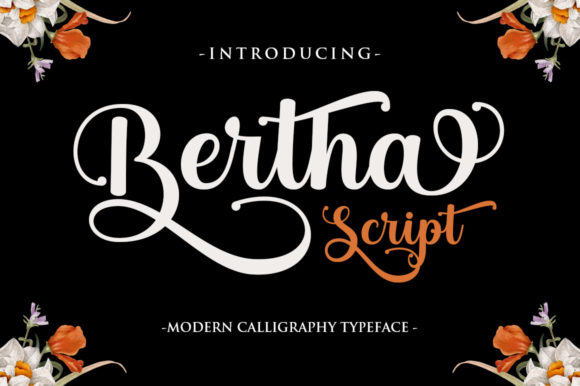
Bertha Script: A Font That Elevates Branding
It was a busy morning at the local bakery when I realized our packaging needed a fresh look. The labels on our pastries were starting to feel outdated, and we wanted something that felt more polished and professional. That’s when I discovered Bertha Script—a font that brought both charm and elegance to our brand.
A Font with Personality
Bertha Script is a script typeface that feels like a handwritten note from a friend. It has a soft, flowing style that adds warmth and character to any design. Whether you're creating a logo, a menu, or a product label, Bertha Script can help your brand stand out without being too flashy.
What makes Bertha Script special is its balance between elegance and approachability. It’s not overly ornate, which means it works well in a variety of contexts. From wedding invitations to business cards, this font can adapt to different needs while maintaining a cohesive look.
Real-World Use Cases
I tested Bertha Script on several projects, including a new set of product labels for a candle company. The font looked great on the jar, giving the product a more refined appearance. It also worked well on their website banners, where it added a touch of sophistication without overwhelming the design.
Another project involved updating a café's menu. Using Bertha Script for the headings gave the menu a more personal feel, making it easier for customers to connect with the brand. The font also paired well with a clean sans serif for the body text, creating a balanced and readable layout.
For a small skincare brand, Bertha Script was used on product labels and packaging. The font added a sense of luxury and care, which aligned perfectly with the brand’s values. It also helped create a consistent look across all materials, reinforcing brand recognition.
How Bertha Script Enhances Branding
Typography plays a huge role in how customers perceive a brand. A well-chosen font can make a business look more professional and trustworthy. Bertha Script does exactly that—it brings a level of polish that can elevate even the simplest designs.
One of the key benefits of Bertha Script is its versatility. It works well as a headline font, a logo element, or a decorative accent. However, it’s best suited for short phrases and display text rather than long paragraphs. This makes it ideal for headlines, titles, and branding elements where visual impact is important.
When using Bertha Script on small labels or mobile screens, it’s important to keep the text size large enough for readability. On printed packaging, the font maintains its clarity and charm, making it a great choice for product tags and stickers.
Pairing Bertha Script with Other Fonts
Font pairing is an essential part of good design. Bertha Script pairs well with a range of other fonts, depending on the desired effect. For a modern and clean look, it works well with a sans serif like Helvetica or Arial. For a more elegant feel, pairing it with a serif font like Georgia or Garamond can create a sophisticated contrast.
If you're looking for a more casual or handmade vibe, Bertha Script can be paired with a similar script or handwritten font. This creates a cohesive and authentic look that feels personal and inviting.
When choosing a font pairing, consider the overall tone of your brand. If your business has a playful or creative identity, a bold and expressive font might work better. For a more traditional or professional brand, a classic serif or sans serif could be a better fit.
Considerations Before Using Bertha Script
Before using Bertha Script for your brand, it’s important to check what styles, file formats, and licensing options are available. Most premium fonts come in multiple weights and include alternate characters, ligatures, and multilingual support. These features can be useful for customizing your design and ensuring consistency across different platforms.
Also, consider how the font will be used. If you’re designing for print, web, or social media, make sure the font is compatible with those formats. Some fonts may have restrictions on commercial use, so it’s always a good idea to review the license agreement before using it on products, packaging, or client work.